
-

Auto renew LetsEncrypt certificates for NGINX on CentOS 7
•
Where traditional SSL certificates lasted for at least a year, LetsEncrypt certificates last for just 90 days. As such, it makes sense to setup automatic renewal so you don’t need to do this manually. We’re assuming you already have your SSL certificate(s) installed through certbot, on NGINX. First, so we don’t get trapped in…
-

Install and secure Seafile on CentOS 7
•
Follow this handy guide to install Seafile and setup basic security. What’s Seafile? Seafile is open source file sync and share software – similar to Dropbox, OneDrive or Google Drive – but you host it yourself, keeping your data private. You first need to setup a server or vps – the requirements are small,…
-

Install Fathom on a cPanel server
•
Before we start – you will need root access to your WHM/cPanel server to be able to follow this guide. What is Fathom? Fathom is a privacy centred analytics system written by Danny and Paul. By not collecting any identifiable data, or tracking users between different websites, Fathom is designed to be ‘easy to use and treats…
-

How to set a default outbound IPv6 on CentOS 7
•
Assuming you’re setting up services to use IPv6, you may have noticed slightly odd behaviour. When making an outbound connection, the most recently added (or last listed in the config) IPv6 is used. This can be annoying when connecting, for example, to IP restricted APIs or even for sending email. Whilst it’s possible to…
-

Setup UFW on CentOS 7
•
UFW (Uncomplicated Firewall) was originally released for Ubuntu as a simple way to manage netfilter rules. It makes managing your Linux server firewall extremely easy and is now also available for CentOS. If you’d prefer a managed server, with the power of a VPS – check out our web hosting. How to setup UFW…
-

Using CSF with CyberPanel
•
CyberPanel is an open source hosting control panel powered by OpenLitespeed. It includes a simple firewall management interface but lacks the advanced features of CSF (ConfigServer Security & Firewall) which is developed by Way to the Web Ltd. Luckily, it’s very easy to combine the two. How to install CSF on CyberPanel Log in…
-
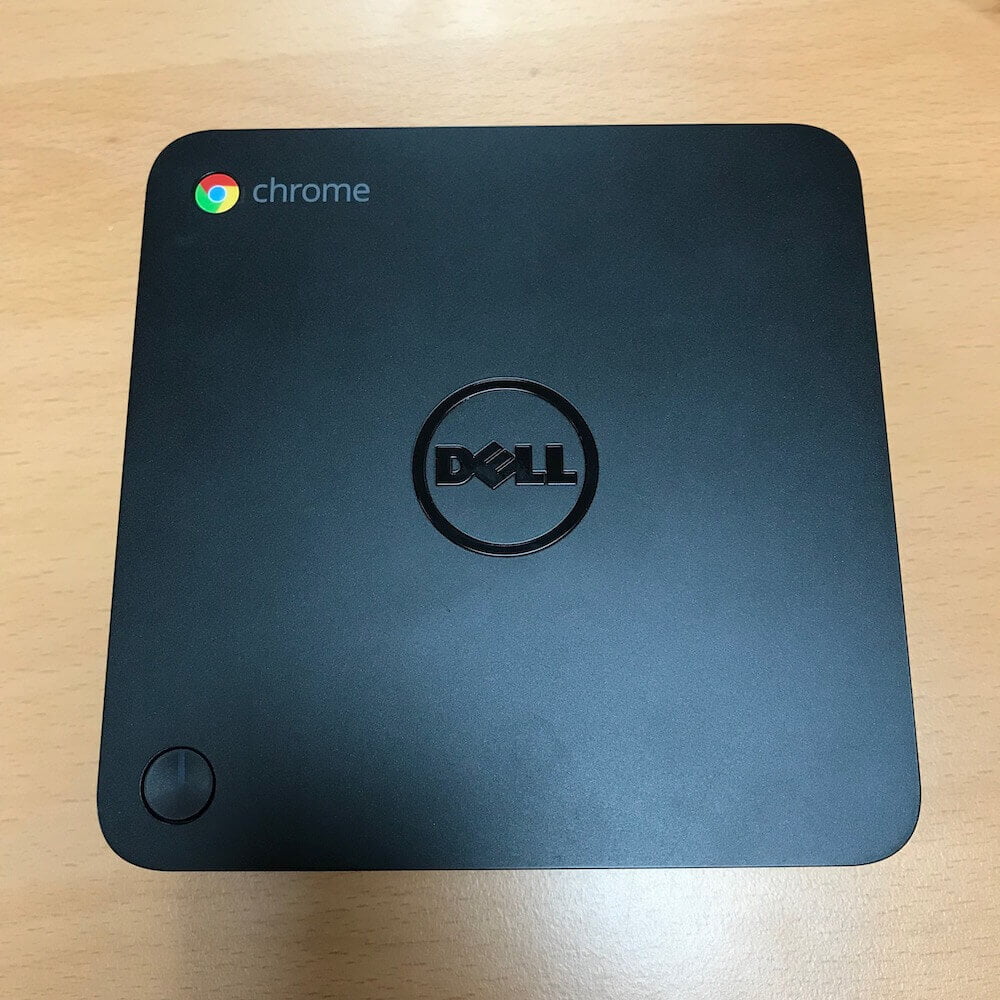
How to install Solus on a ChromeBox
•
What’s Solus? Solus is a Linux operating system designed for desktop use. Unlike many Linux flavours, it’s not a fork from one of the major distributions. Instead, it’s been developed from the ground up for desktop use. The desktop interface, from the same team, is called Budgie. We’ve dabbled with Solus a few times…
-

How to setup a VPN server on CentOS 7
•
What is a VPN? VPN stands for Virtual Private Network. It allows two separate devices or networks to communicate, privately, across the internet. It does this by encrypting the connection between them such that it cannot be read if intercepted. They are now commonly used when you want to connect your computer or device to…
-

Setup NTP on CentOS 7
•
What’s NTP? NTP (Network Time Protocol) is used to ensure that the clock on your computer is correct. With newer, very time critical features, such as 2FA, this is important. Don’t worry though, it’s very easy to synchronise the time on your server, you just need to setup NTP. If you need a server…
-

5 handy graphics tools for your website
•
Making website graphics used to be both hard work and expensive. You needed to be imaginative, and have an eye for colour. You needed expensive software such as Photoshop or Illustrator. Thankfully, there is now a whole range of free graphics tools that even the most design shy can make use of. Here are…